What responsibility and resilience have in common
Responsible supply chains are not defined by a single policy, audit or certification. They show up in how companies actually identify risk, work with suppliers and make decisions when trade-offs arise across complex value chains.
These same characteristics underpin supply-chain resilience.
When human rights and environmental due diligence is done properly, it does not sit alongside supply-chain risk management. It is multi-dimensional supply-chain risk management — expanding the lens beyond cost, quality and delivery to include social and environmental factors that directly affect operational continuity.
Environmental and social risks often surface operational weaknesses before they become visible as disruption. Water stress constrains production capacity long before delivery schedules fail. Excessive labour turnover shows up in quality problems well before output is interrupted. These are early warning signals that conventional risk models tend to overlook.
Risk is identified earlier — and prioritised more effectively
Responsible supply-chain approaches require organisations to identify risks across suppliers, geographies and activities, rather than waiting for failure to materialise.
Instead of reacting once disruption occurs, companies gain insight into where vulnerabilities exist — whether linked to labour conditions, environmental exposure, regulatory change or supplier concentration. That insight supports prioritisation, diversification and contingency planning before escalation becomes unavoidable.
The most resilient supply chains do not try to control everything. They focus on the risks that would cause the most damage if they materialised, and accept uncertainty elsewhere. In practice, this makes decision-making under pressure easier, not harder.
Relationships that function under stress
Responsible supply chains rely less on transactional supplier management and more on structured engagement. Expectations are clearer, communication channels exist, and issues are addressed before they turn into disputes.
During disruption, this matters. Suppliers prioritise customers with whom they have established trust, shared objectives and a history of problem-solving. Where purely contractual relationships tend to break down, joint adaptation becomes possible.
Supplier engagement and capability-building programmes create partners who perform under pressure rather than suppliers who merely pass audits in stable conditions. Suppliers with mature management systems, trained workforces and environmental controls adapt faster when systems are stressed.
Resilience rarely emerges in isolation. It depends on how organisations work with others when conditions deteriorate.
Transparency enables faster, more targeted response
Responsibility requires a level of transparency that many traditionally managed supply chains still lack. Mapping suppliers, understanding sourcing locations, and clarifying dependencies are foundational elements of responsible sourcing and due diligence.
That visibility becomes decisive during disruption. Companies that know where materials originate, which suppliers are critical, and how dependencies are structured can respond with greater speed and precision than those operating with limited insight beyond Tier-1.
The gap remains significant. McKinsey’s 2024 supply chain risk survey shows that while many companies claim multi-tier visibility, fewer than half maintain regular direct engagement beyond Tier-1 suppliers — leaving blind spots precisely where disruption tends to propagate.
Transparency does not prevent disruption. It reduces uncertainty at the moment decisions have to be made quickly.
Governance reduces secondary disruption
Companies with mature due-diligence systems typically have governance structures, escalation protocols and board-level oversight that increase organisational capacity to absorb change.
When frameworks such as the EU Corporate Sustainability Due Diligence Directive, the German Supply Chain Act or the EU Deforestation Regulation emerged, organisations with these foundations adapted existing systems rather than building compliance programmes from scratch.
This governance infrastructure proves valuable beyond regulation. Clear accountability, cross-functional coordination and board oversight improve responses to a wide range of supply-chain risks.
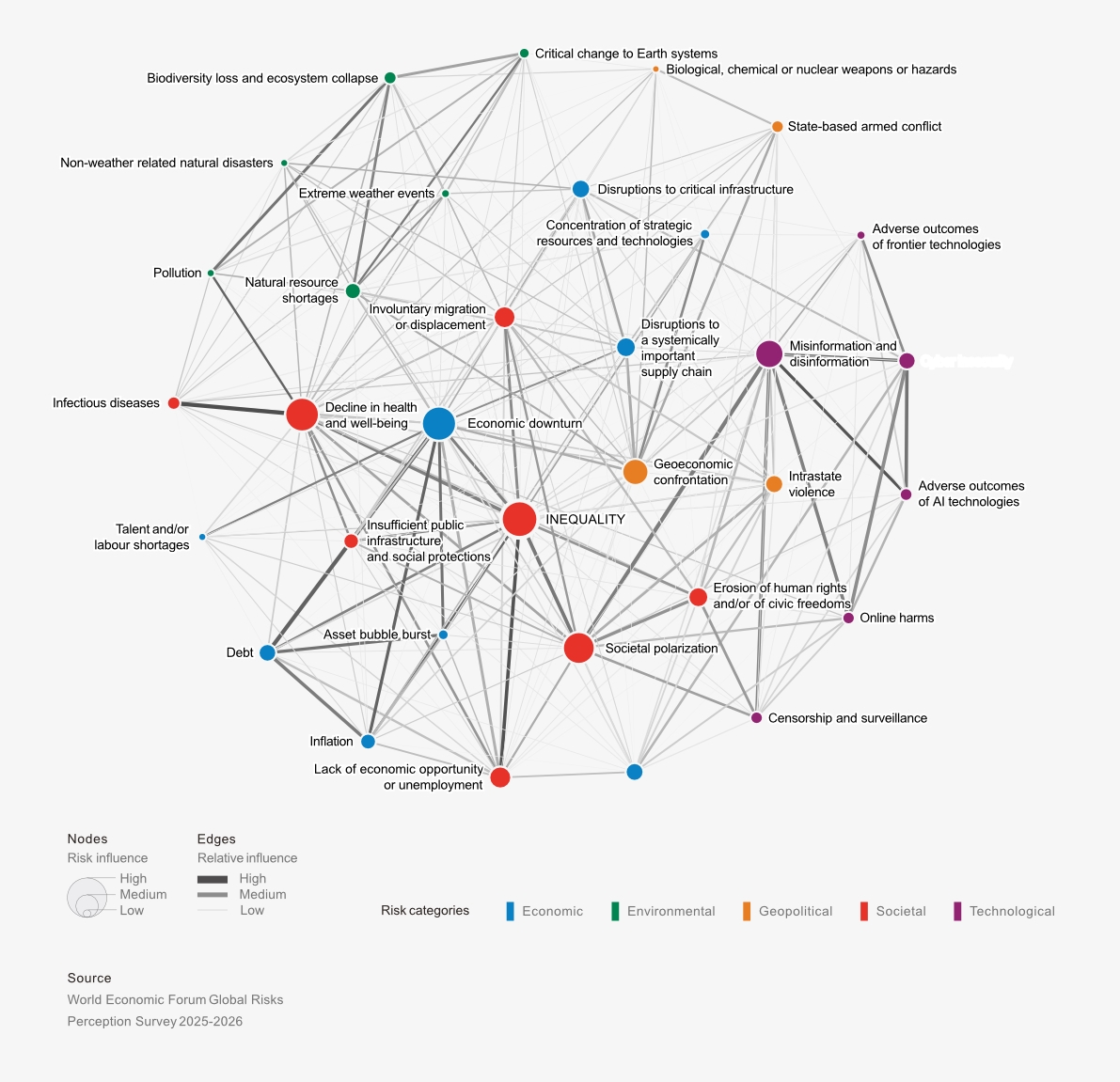
The World Economic Forum has repeatedly highlighted governance and oversight as weak points in supply-chain resilience, particularly when regulatory, geopolitical and environmental risks converge.
Structural preparedness also reduces the risk of secondary disruption caused by non-compliance, litigation or reputational fallout — impacts that can be as damaging as physical supply interruptions.



 More insights